 Sign inMy profileSign outJoin the CommunitySign inMy profileSign outJoin the Community
Exchange Fellows write for the publication, advise on its direction, review submissions, and lead the workshops and consultations institutions bring us in for. They hold faculty, program, and district roles across the country, and they teach the courses they write about.
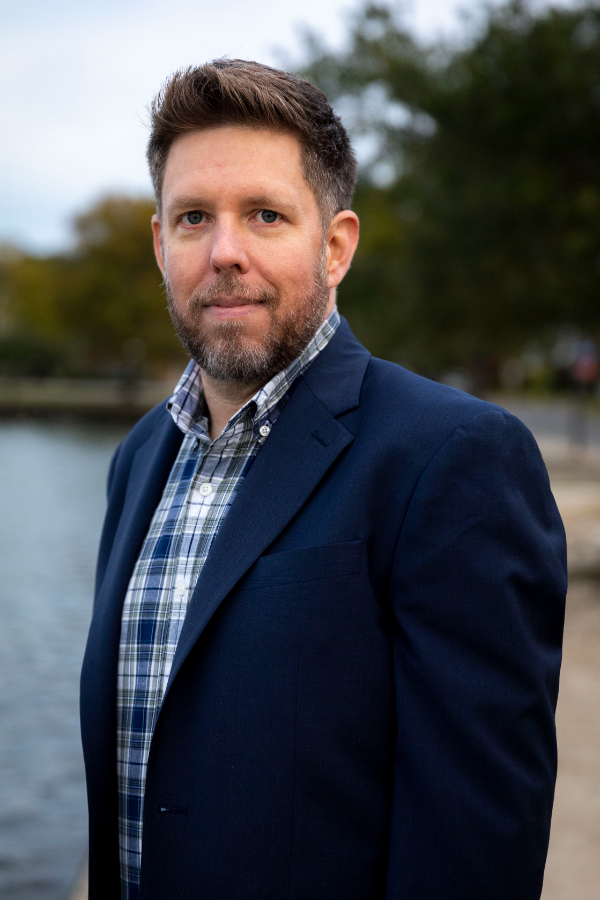
Brandon Butler founded the Exchange as an open publication for the people who prepare, mentor, and supervise teachers — a place to write honestly about the practice of teaching teachers, and to put usable tools in colleagues' hands. He teaches social studies methods and doctoral courses, and researches self-study of teacher education practices.
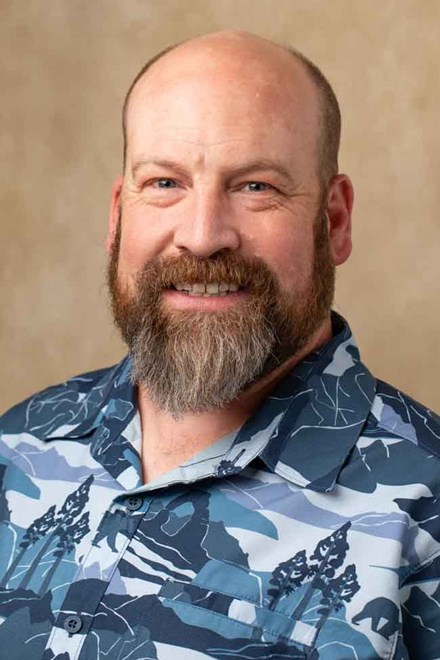
Stephen Burgin is Associate Professor of Science Education at the University of Arkansas, where he prepares preservice secondary teachers across the disciplines. His research asks how taking part in the authentic practices of working scientists shapes the teaching and learning of science, and how school science can come closer to the research that happens in laboratories and in the field.
He came to that question as a high school chemistry teacher in Gainesville, Florida, where he spent six years wondering how closely his lab activities matched what chemists actually do. He went on to earn his Ph.D. in curriculum and instruction, with a specialization in science education, at the University of Florida, and taught science education at Old Dominion University before moving to Arkansas in 2015.
His work has appeared in the Journal of Research in Science Teaching, the International Journal of Science Education, and Science & Education, and he has served on the board of directors of the Association for Science Teacher Education. With Exchange colleagues, he has also studied how elementary teacher candidates learn to teach controversial issues that cross science and social studies.
Rebecca West Burns is Dean and Professor of the College of Education at Kutztown University. A former classroom educator, she brings a cross-sector view to institutional strategy, educator development, and the partnerships that connect higher education, public policy, and communities.
Her scholarship centers on school–university partnerships and clinical practice in teacher education, including Professional Development Schools as P–20 partnerships, standards for clinical experiences, and the role partnerships play in sustaining democracy. She has written nearly 100 publications and five books, given more than 200 presentations, and received the 2024 Distinguished Research Award from AERA's Supervision and Instructional Leadership SIG.
At Kutztown she leads college-wide work on programs, enrollment, and partnerships, and has expanded early college, dual credit, and education-to-workforce pathways. She also contributes to state and national efforts on the educator workforce, policy, and professional standards.
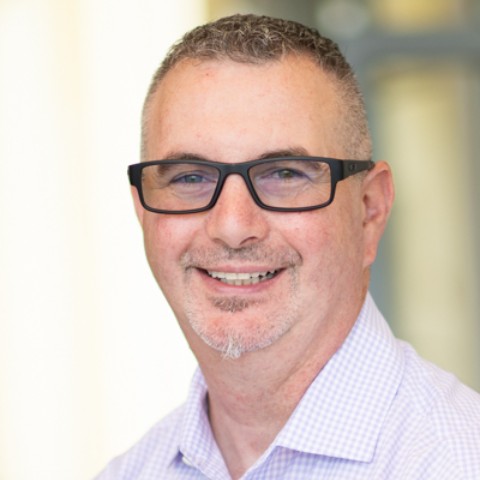
Mark Diacopoulos is Associate Professor and Assistant Provost at Pittsburg State University. His research focuses on teacher education, professional identity development, supervision, and the intersection of technology and social studies pedagogy.
He is currently writing about the anxieties teacher educators face, and about how stoicism might offer a lens for countering neoliberalism in higher education. He is a co-author of the Exchange story “You Don’t Learn Self-Study by Standing Outside It.”
With Brandon Butler, Kristen Gregory, and Angela Branyon, he co-wrote Beginning Self-Study Research: A Practical Guide (Springer, 2026), a guide for new and experienced self-study researchers built from the authors’ own experience of learning the methodology together. His work also appears in Studying Teacher Education and Computers & Education, including a widely cited systematic review of mobile learning in social studies.
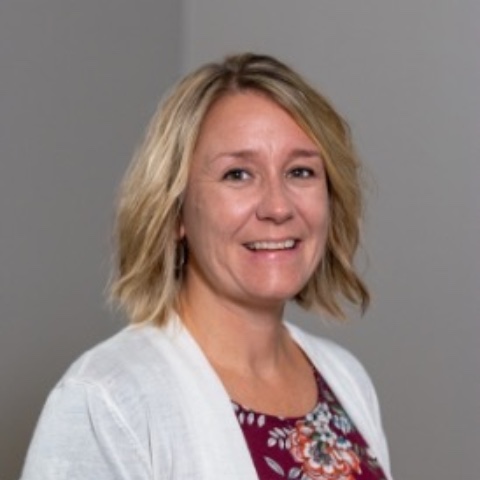
Jennifer Jacobs is Professor and Department Chair at the University of South Florida. Her work centers on self-study, practitioner inquiry, and the preparation of teacher educators, alongside long-standing commitments to social justice, teacher leadership, and the design of teacher education programs.
She is a co-author of the Exchange story “Who Prepares the People Who Prepare Teachers?”
With Rebecca West Burns, she co-wrote (Re)Designing Programs: A Vision for Equity-Centered, Clinically Based Teacher Preparation (Information Age Publishing, 2021), a practical guide that draws on their experience designing and coordinating award-winning programs. Her most cited research examines the changing role of the university supervisor in clinically rich preparation, supervisor learning within professional learning communities, and practitioner inquiry as a way to prepare the next generation of teacher educators.
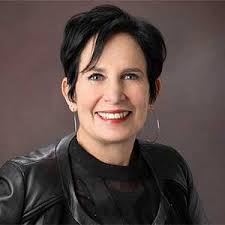
Monica Taylor is Professor in the Department of Educational Foundations at Montclair State University, where she directs the Teacher Education and Teacher Development Ph.D. program. She writes about feminist pedagogy, self-study, LGBTQ+ inclusive practices, teaching for social justice, and teacher leadership.
Her newest book, written with Emily J. Klein, is Our Bodies Tell the Stories: Using Feminist Research and Friendship to Reimagine Education and Our Lives (Myers Education Press, 2023). She co-edited the 2nd International Handbook of Self-Study of Teaching and Teacher Education Practices, and with Lesley Coia she developed co/autoethnography, a collaborative self-study methodology that remains among her most cited work. Other books include Gender, Feminism, and Queer Theory in the Self-Study of Teacher Education Practices and A Year in the Life of a Third Space Urban Teacher Residency.
She chairs AERA’s Self-Study of Teacher Education Practices SIG, co-edits The Educational Forum, and is co–principal investigator of a grant supporting science teacher leaders in eight New Jersey districts. Outside the university, she serves on the board of Planned Parenthood of Metro New Jersey and volunteers as an advocate for asylum seekers and voter protection.
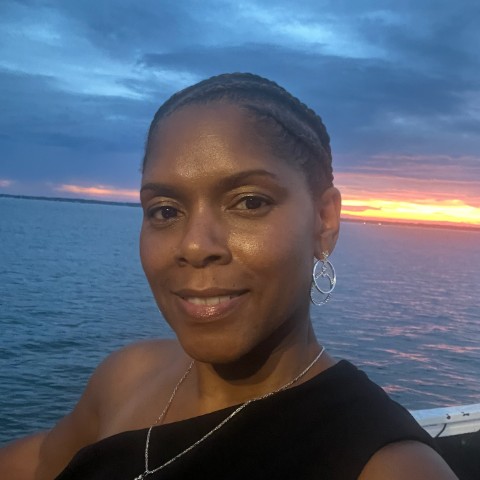
Rhonda White has been an educator in an urban district since 1998. Her career has included roles as a substitute teacher, classroom teacher, mathematics specialist, teacher specialist, curriculum writer, professional development facilitator, and now district-level Senior Coordinator of Mathematics where she provides instructional leadership and coaching for mathematics teachers and mathematics specialists.
Rhonda is committed to strengthening equitable mathematics instruction by addressing opportunity gaps, increasing student engagement, and helping schools create affirming learning environments in which every learner can thrive. She believes the learning environments in mathematics will only improve once we address and diminish the acceptance of mathematics as the villain of elementary education. Rhonda advocates for teachers to acknowledge their past experiences that frame their fear and discomfort of mathematics to become better teachers of mathematics.
Additionally, she values collaboration and is passionate about supporting colleagues as they reflect, refine, and enact their leadership identity, especially in mathematics. She believes strong relationships and collective learning are essential to lasting instructional change.
Fellows lead workshops and institutes, mentor clinical faculty, and consult on program design and accreditation. Tell us what you are working on and we will suggest who fits.